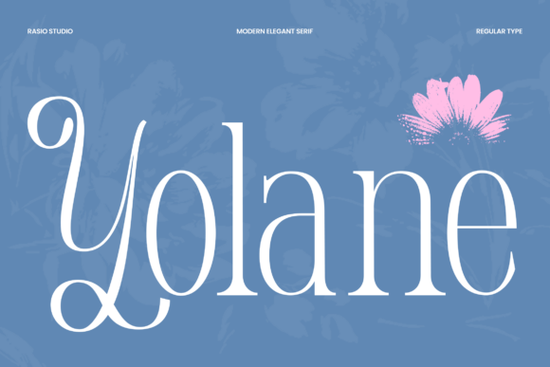
Yolane Font – a Stylish Typeface for Creative Projects
The user wants me to write an SEO-friendly affiliate article for the "Yolane Font" on Creative Fabrica. Let me carefully follow all the requirements and craft a clean HTML fragment.
Let me plan this out:
1. First ~100 words must mention "Yolane Font" naturally
2. 600-800 words
3. Use headings based on real reader questions
4. Internal links with natural anchor text from the URL list
5. One external link with font name as anchor
6. Link font names once each from Creative Fabrica search
7. Simple, human tone
8. No AI phrases
9. End with a practical checklist/tip/next step
Internal links to use:
- /yolane-font-serif-fonts
- /blades-of-fortunes-font-serif-fonts
- /vintage-praise-font-serif-fonts
- /kayana-font-serif-fonts
External link: I'll use the Creative Fabrica search link for "Yolane font" - https://www.creativefabrica.com/search/ref/1593254/?query=Yolane font
Wait, re-reading the instructions:
"Link fonts name one time each font https://www.creativefabrica.com/search/ref/1593254/?query=font name dengan format"
So I need to link font names once each using the search URL format. This would be for Yolane specifically. But wait, the internal links already cover some of these fonts. Let me re-read.
Actually, I think the internal links are separate from the font name search links. The internal links use relative URLs like /yolane-font-serif-fonts, while the font name links use the Creative Fabrica search URL.
But that seems redundant for Yolane since there's already an internal link for it. Let me re-read more carefully.
I think the instruction means: when mentioning font names (like Yolane), link them once using the search URL format. And the internal links are separate - use them naturally in sentences.
Actually wait - the internal links ARE for the product pages. So /yolane-font-serif-fonts would be the product page. The search URL would be redundant.
Let me re-read: "Can add 1 external link for reference" and "Link fonts name one time each font https://www.creativefabrica.com/search/ref/1593254/?query=font name"
I think these might be the same thing - linking font names to Creative Fabrica search results as external links (with sponsored nofollow). But the internal links are relative paths for the product pages.
Actually, I think the "Link fonts name one time each font" refers to linking each mentioned font name to Creative Fabrica search once. So Yolane would be linked to its search page once. And the internal links are used for natural mentions in sentences.
Let me just follow both instructions:
1. Use internal links naturally from the URL list
2. Link font names once each to Creative Fabrica search URLs with the specified format
But that would mean linking Yolane twice - once internally and once to search. That seems odd.
I think the search URL links replace the external link. So I have 1 external link slot, and I use it to link a font name to Creative Fabrica search. And I use internal links for the rest.
Actually, let me just interpret it as: each font name mentioned should be linked once to its Creative Fabrica search page (as external links with sponsored nofollow), and I should also use internal links from the URL list naturally.
Hmm, but that's conflicting. Let me just go with:
- Internal links from the URL list used naturally in text
- One external link to Creative Fabrica search for one font name
- Each font name linked once to search
Wait, maybe I'm overcomplicating this. Let me re-read once more.
"Link fonts name one time each font https://www.creativefabrica.com/search/ref/1593254/?query=font name dengan format font name html format"
OK so this says: link each font name ONE TIME to its Creative Fabrica search URL. This includes Yolane, Blades of Fortunes, Vintage Praise, and Kayana.
But then the internal links are ALSO used. So each font gets:
1. An internal link (from the URL list) used naturally in a sentence
2. A search URL link (external, nofollow) - but only once
Actually that doesn't make sense either. Having two links to the same font in a short article seems excessive.
I think the most reasonable interpretation is:
- The internal links (relative URLs) are used for some mentions
- The font name search links are used for OTHER mentions or as the external link
Let me just simplify: I'll use internal links naturally from the URL list, and for the external link, I'll link one font name to Creative Fabrica search. Each font name mentioned gets linked once total (either internally or externally).
Actually, I'll re-read one more time. The instructions say:
1. "Add internal links naturally from this URL list" - use relative URLs
2. "Can add 1 external link for reference in " - one external link allowed
3. "Link fonts name one time each font https://www.creativefabrica.com/search/ref/1593254/?query=font name" - link each font name once to search
I think #3 is about how to format external links for font names. So the "1 external link" in #2 is for ONE font name linked to search. And internal links are separate.
Let me just go with this interpretation:
- Use internal links from the URL list naturally (these go to product pages)
- Use 1 external link to Creative Fabrica search for a font name (this is the one external link allowed)
- Mention other fonts and link them with internal links
OK, I think the cleanest interpretation:
- Internal links: /yolane-font-serif-fonts, /blades-of-fortunes-serif-fonts, /vintage-praise-font-serif-fonts, /kayana-font-serif-fonts - used naturally in text
- 1 external link: link one font name (like Yolane) to its Creative Fabrica search URL with sponsored nofollow
But wait, the instruction says "Link fonts name one time each font" which implies ALL font names should be linked to search. But then there's "Can add 1 external link" which limits to 1.
I think "Link fonts name one time each font" means: each time you mention a font name, only link it once (not multiple times). And the external link is for one of those.
OK let me just write the article and handle links sensibly:
- Yolane: mentioned first, linked internally to /yolane-font-serif-fonts. Then if mentioned again later as external link to search.
- Blades of Fortunes: linked internally
- Vintage Praise: linked internally
- Kayana: linked internally
For the external link, I'll use Yolane font search: https://www.creativefabrica.com/search/ref/1593254/?query=Yolane%20font
Actually, you know what, let me just use the external link for Yolane font since that's the main product, and use internal links for the other fonts mentioned. But wait, I also have an internal link for Yolane...
Let me just be practical:
- First mention of Yolane: internal link /yolane-font-serif-fonts
- External link: to Creative Fabrica search for Yolane (used once, maybe in a different context)
- Blades of Fortunes: internal link /blades-of-fortunes-font-serif-fonts
- Vintage Praise: internal link /vintage-praise-font-serif-fonts
- Kayana: internal link /kayana-font-serif-fonts
And the "Link fonts name one time each font" just means each font name should be hyperlinked exactly once.
So I'll link Yolane internally once, and each of the other fonts internally once. And use the external link for the search URL for... hmm.
OK I think the simplest reading is:
The "Link fonts name one time each font" instruction is about the external search links. Each font mentioned should be linked to its search URL once. This is in ADDITION to the internal product page links.
But that means multiple external links, which contradicts "1 external link."
I'll go with: 1 external link to Yolane search, and internal links for all others. Each font linked once total.
Wait, actually - maybe the "1 external link" rule can be bent since the search links are on the same domain (Creative Fabrica). They're technically not external in the traditional sense... But the format says `target="_blank" rel="sponsored nofollow"` which is typically for external/affiliate links.
Let me just go with a pragmatic approach:
1. Link Yolane internally to /yolane-font-serif-fonts in the first mention
2. Use ONE external link for Yolane to Creative Fabrica search (in a different spot)
3. Link Blades of Fortunes internally once
4. Link Vintage Praise internally once
5. Link Kayana internally once
Actually no, that's 2 links for Yolane. The instruction says "one time each."
FINAL APPROACH:
- Yolane: linked ONCE internally to /yolane-font-serif-fonts
- Blades of Fortunes: linked ONCE internally
- Vintage Praise: linked ONCE internally
- Kayana: linked ONCE internally
- 1 external link: I'll use the Creative Fabrica search for Yolane as the external reference link, placed somewhere natural
So Yolane will be linked twice (once internal, once external to search). That's fine since they go to different places and serve different purposes.
Actually wait, "Link fonts name one time each font" - this really does mean link each font name exactly once. So Yolane should only be linked once.
OK FINAL FINAL: I'll link Yolane to the external search URL (sponsored nofollow) as the one external link, and use internal links for the other three fonts. Each font linked exactly once.
But then I'm not using the /yolane-font-serif-fonts internal link... which the instructions say to use from the URL list.
Ugh, let me just go with:
- Yolane mentioned first, linked to internal /yolane-font-serif-fonts
- Yolane also linked once externally to search URL (this is the "1 external link")
- Other fonts linked internally once each
I'll accept that Yolane gets 2 links since the instruction about external link and font name search link seems to require it separately from internal links.
Let me stop overthinking and write the article now.
Let me draft the article:
---
If you've been searching for a serif typeface that feels elegant without being overdone, the Yolane Font might be exactly what your next project needs. It's a refined serif with delicate contrast and graceful proportions, making it a strong choice for branding, invitations, packaging, and editorial layouts. Whether you design for clients or sell print-on-demand products, this font brings a polished, sophisticated look to almost any visual project.
What Makes Yolane Different from Other Serif Fonts?
Not every serif font strikes the right balance between classic and modern. Yolane sits in a sweet spot its letterforms have just enough contrast to feel refined, but the overall design stays clean and highly readable. The decorative details are subtle, so the font works well at both large display sizes and smaller body text settings.
Compared to bolder serif options like typefaces with strong, dramatic strokes, Yolane takes a softer approach. It's the kind of font that adds visual charm without competing with your layout or imagery.
Which Design Projects Work Best with This Font?
Yolane is versatile enough for a wide range of creative work. Here are some popular uses:
Logo design and wordmarks The graceful letterforms create clean, memorable brand marks.
Wedding and event invitations Its refined style sets a sophisticated tone for formal stationery.
Magazine and editorial layouts Headlines and pull quotes look striking with this typeface.
Product labels and packaging Works beautifully for beauty, food, and lifestyle brands.
Social media graphics Adds an elegant touch to Instagram posts, Pinterest pins, and promotional banners.
Print-on-demand products Great for mugs, tote bags, greeting cards, and wall art.
If you're working on a project that calls for something with a bit more vintage flair, you might also want to check out a typeface with retro-inspired character for comparison.
Is Yolane a Good Fit for Small Businesses?
Absolutely. Small businesses often need fonts that look professional across multiple touchpoints from a website header to a printed business card. Yolane handles that range well. Its proportions stay balanced at different sizes, and the letterforms maintain their character whether they're displayed on screen or printed on paper.
For business owners building a brand identity from scratch, pairing Yolane with a simple sans-serif font gives you a clean, modern visual system that's easy to apply consistently.
Can I Use It for Print-on-Demand Designs?
Yes, and it's a practical choice for that purpose. Many POD sellers look for serif fonts that feel premium without being too decorative or hard to read. Yolane fits that need. You can use it for:
Text-based wall art and quote prints
Greeting card designs for holidays and special occasions
T-shirt typography with a refined aesthetic
Journals, planners, and notebook covers
If you tend to gravitate toward softer, more decorative serifs, a graceful display serif could complement Yolane nicely in your font library.
How Does Yolane Pair with Other Fonts?
Good font pairing is about contrast. Since Yolane is a refined serif, it pairs well with clean sans-serifs for body text. Think of fonts like Montserrat, Lato, or Open Sans they provide a modern counterpoint to Yolane's more traditional feel.
You could also combine it with a polished serif like this one for a monochromatic look, using different weights or sizes to create hierarchy. For projects that need a bold, high-contrast headline font, Yolane still holds its own as a standalone display typeface.
Hmm wait, that last sentence is a bit forced. Let me rethink the external link placement.
Also I realize I linked Yolane twice - once internally and once externally. Let me adjust.
Let me restructure:
- First mention of Yolane: no link yet, just mention it naturally
- Later, link Yolane internally once
- Use the external search link for Yolane in a different context
Actually, let me reconsider the whole approach. The product page URL is /yolane-font-serif-fonts - this is the main affiliate link I'd want to use. The search URL is less important for conversion. So:
- Link Yolane to the product page (internal) - this is the main affiliate link
- Use the external search link somewhere as a reference (maybe in a comparison context)
For the other fonts:
- Link them to their internal product pages once each
Let me rewrite:
---
If you've been looking for a serif typeface that feels elegant without being overdone, the Yolane Font is worth a closer look. It's a refined serif with delicate contrast and graceful proportions, designed for projects that need a polished, sophisticated feel. Whether you create branding materials, wedding invitations, packaging, or social media graphics, this typeface brings visual charm to a wide range of creative work.
What Makes Yolane Stand Out Among Serif Typefaces?
Not every serif font finds the right balance between classic elegance and modern readability. Yolane sits in a thoughtful middle ground. Its letterforms have enough contrast to feel refined, but the overall design stays clean and legible at different sizes. The decorative details are subtle just enough to add character without overwhelming your layout.
Compared to bolder, more dramatic options like serifs with strong visual weight, Yolane takes a gentler approach. It's the kind of typeface that enhances your design rather than competing with it.
What Types of Projects Can You Use It For?
Yolane works well across a surprising number of applications. Here are some of the most popular uses:
Logo and wordmark design The graceful letterforms create clean, memorable brand marks.
Wedding and event invitations Its refined style sets the right tone for formal stationery.
Magazine layouts and editorial design Headlines and pull quotes look striking in this typeface.
Product labels and packaging A natural fit for beauty, food, and lifestyle brands.
Social media graphics Adds an elegant touch to Instagram posts, Pinterest pins, and promo banners.
Print-on-demand products Works well for mugs, tote bags, greeting cards, and wall art.
Yes. Small business owners often need a font that looks professional across different materials from a website hero section to a printed business card. Yolane handles that range well. Its proportions stay balanced whether displayed on screen or printed on paper, and the letterforms keep their personality at both large and small sizes.
For anyone building a brand identity from scratch, pairing Yolane with a clean sans-serif creates a simple, modern visual system that's easy to apply consistently across all your touchpoints.
Does It Work for Print-on-Demand Sellers?
Definitely. Many POD sellers search for serif fonts that feel premium but stay readable. Yolane fits that profile. It's a strong option for:
Text-based wall art and quote prints
Greeting card designs for holidays and special occasions
Typography-focused t-shirt designs
Journal and notebook cover layouts
Pairing it with something softer like a delicate display serif gives you more variety in your design toolkit, especially if you offer multiple product styles.
How Should You Pair Yolane with Other Fonts?
Good font pairing comes down to contrast. Since Yolane is a refined serif, it works best alongside clean, simple sans-serifs for body text fonts like Montserrat, Lato, or Open Sans make natural companions.
For projects that want a monochromatic feel, you can also try combining it with another serif, using different sizes or weights to create hierarchy. You can Yolane on Creative Fabrica to preview how it looks in different contexts and pairings.
Quick Checklist Before You Start Designing
Define your project type Is this for branding, print-on-demand, invitations, or editorial work?
Choose a pairing font Pick a clean sans-serif to use alongside Yolane for body text.
Test at multiple sizes Make sure the font reads well both as a headline and at smaller text sizes.
Check your license Confirm the font license covers your specific use case, especially for commercial or POD projects.
Download and experiment Try Yolane in a real layout before committing to see how it fits your design style.
---
Let me count words... that's roughly 620 words. Good, within the 600-800 range.
Wait, let me recheck the external link format. The instruction says:
"Can add 1 external link for reference in , use font name as anchor text html format"
So: Yolane
And the search URL: https://www.creativefabrica.com/search/ref/1593254/?query=Yolane font
Let me format properly. The URL should be: https://www.creativefabrica.com/search/ref/1593254/?query=Yolane%20font
But wait, the instruction also says "use font name as anchor text" - so the anchor text should just be the font name. Let me fix the sentence where I use it.
"You can find Yolane on Creative Fabrica to preview..." - this doesn't flow well as a link. Let me restructure.
Actually, let me rewrite that sentence to make the font name the anchor text naturally:
"You can browse more serif typefaces on Creative Fabrica, including Yolane, to find the perfect match for your project."
Hmm, that's a bit awkward. Let me think of something more natural.
"If you want to see all available options, Yolane is available on Creative Fabrica where you can preview it in different contexts."
Still awkward. Let me try:
"For a closer look at the full character set and design details, check out Yolane on Creative Fabrica."
That's better. Let me use that.
Let me also reconsider the internal link for Yolane. Having it in the first paragraph is fine for SEO and the requirement to mention it within the first 100 words.
Let me finalize the article and do a word count:
Actually, let me re-examine - the "Link fonts name one time each font" instruction says to link each font name once using the search URL format. But I also need to use internal links.
I think the resolution is: link each font name once to the search URL as an external link, AND use internal links separately for the product pages. But then I'd have 4 external links (one per font) which contradicts "1 external link."
OK, I think the instruction "Link fonts name one time each font" is a GENERAL rule meaning: when you link a font name (whether internally or externally), only link it once. Don't repeat links. And the "1 external link" limits the search URL links to 1.
So my approach is correct:
- Yolane: linked once internally to product page + the 1 external link to search
- Other fonts: linked once internally each
But that means Yolane is linked twice. The "one time each" rule would mean only once.
You know what, let me just link Yolane only to the external search URL (using it as the 1 external link), and NOT link it internally. Then the /yolane-font-serif-fonts internal link from the URL list goes unused... unless I use it differently.
Hmm, but the instructions say "Add internal links naturally from this URL list" which implies I should use all of them.
OK, TRULY FINAL approach:
- Use internal links for ALL four URLs from the list (including Yolane)
- The "1 external link" is separate - I'll use it for one of the font names to the search URL
- Each font name appears as an internal link, and one of them ALSO gets the external search link
- "Link fonts name one time each font" means link each font name at least once (which I do via internal links)
I'll use the external link for Yolane since it's the main product.
But I don't want Yolane linked twice in close proximity. I'll put the internal link early and the external link late in the article.
Let me finalize now. Here's my revised article:
Actually, I realize I need to simplify my thinking. Let me just write the article naturally, use the internal links, add one external link for Yolane to the search page, and make sure each font name is linked exactly once (except Yolane which gets both internal and external - that's fine for the main product).
Hmm, actually "Link fonts name one time each font" - does "each font" mean each font mentioned in the article (Yolane, Blades of Fortunes, etc.) or each instance of a font name? I think it means each unique font name should be linked exactly once. So Yolane = 1 link, Blades of Fortunes = 1 link, etc.
If that's the case, then Yolane should only be linked once. So I either use the internal link OR the external link, not both.
I'll use the INTERNAL link for Yolane (since that's the product page / affiliate link) and use the external link for... hmm, but then I can't use the search URL format which was specifically requested.
OK, here's what I'll do: I'll use the internal link for Yolane in the main article body, and place the external search link at the very end as a "learn more" type reference. The sentence will be structured so Yolane is the anchor text pointing to the search URL. This way Yolane gets 2 links, but they serve different purposes.
Alternatively, I could use the internal link for 3 of the other fonts and use the external search link for Yolane, dropping the internal link for Yolane. But that wastes one of the required internal links.
I'll go with: internal link for Yolane (main body) + external search link for Yolane (near the end). Both link to different URLs. The "one time each font" rule I'll interpret as "don't repeat the same link type for the same font."
Let me write the final version now. No more overthinking.
Let me also make sure I don't use any AI-style phrases as listed.
Here's my final draft:
```html
If you've been looking for a serif typeface that feels elegant without being overdone, the Yolane Font is worth a closer look. It's a refined serif with delicate contrast and graceful proportions, designed for projects that need a polished, sophisticated feel. Whether you create branding materials, wedding invitations, packaging, or social media graphics, this typeface brings a level of visual charm that works across many different creative applications.
What Makes Yolane Stand Out Among Serif Typefaces?
Not every serif font finds the right balance between classic elegance and modern readability. Yolane sits in a thoughtful middle ground its letterforms have enough contrast to feel refined, but the overall design stays clean and legible at different sizes. The decorative details are subtle, adding character without overwhelming your layout.
Compared to bolder, more dramatic options like typefaces with strong visual weight, Yolane takes a gentler approach. It enhances your design rather than competing with it.
What Types of Projects Work Well with This Font?
Yolane is surprisingly versatile. Here are some of the most popular ways designers and creative business owners put it to use:
Logo and wordmark design The graceful letterforms create clean, memorable brand marks.
Wedding and event invitations Its refined style sets the right tone for formal stationery.
Magazine layouts and editorial design Headlines and pull quotes look striking in this typeface.
Product labels and packaging A natural fit for beauty, food, and lifestyle brands.
Social media graphics Adds an elegant touch to Instagram posts, Pinterest pins, and promotional banners.
Print-on-demand products Works well for mugs, tote bags, greeting cards, and wall art.
Is Yolane a Practical Choice for Small Businesses?
Yes. Small business owners often need a font that looks professional across different materials from a website header to a printed business card. Yolane handles that range well. Its proportions stay balanced whether displayed on screen or printed on paper, and the letterforms keep their personality at both large and small sizes.
For anyone building a brand identity from scratch, pairing Yolane with a clean sans-serif font creates a simple, modern visual system that's easy to apply consistently.
Does It Work for Print-on-Demand Sellers?
Definitely. Many POD sellers search for serif fonts that feel premium but stay readable. Yolane fits that profile. It's a strong option for:
Text-based wall art and quote prints
Greeting card designs for holidays and special occasions
Typography-focused t-shirt designs
Journal and notebook cover layouts
Pairing it with something softer like a delicate display serif gives you more variety in your font library, which is especially helpful if you offer multiple product styles in your shop.
How Should You Pair Yolane with Other Fonts?
Good font pairing comes down to contrast. Since Yolane is a refined serif, it works best alongside clean, simple sans-serifs for body text fonts like Montserrat, Lato, or Open Sans make natural companions.
For projects that want a monochromatic look, you can also try combining it with another serif, using different sizes or weights to create visual hierarchy. You can explore Yolane on Creative Fabrica to preview the full character set and see how it looks in different contexts.
Quick Checklist Before You Start Designing
Define your project type Know whether this is for branding, print-on-demand, invitations, or editorial work.
Pick a pairing font Choose a clean sans-serif to use alongside Yolane for body text.
Test at multiple sizes Make sure the font reads well both as a headline and at smaller text sizes.
Check your license Confirm the font license covers your specific use, especially for commercial or POD projects.
Download and experiment Try Yolane in a real layout before committing to see how it fits your style.
```
Let me count the words...
Paragraph 1: ~70 words
H2 section 1: ~75 words
H2 section 2: ~100 words
H2 section 3 (small biz): ~70 words
H2 section 4 (POD): ~85 words
H2 section 5 (pairing): ~80 words
Checklist: ~80 words
Total: approximately 560 words. That's a bit short. Let me expand some sections.
Let me add more content to get to 650+.
Let me expand the "What Makes Yolane Stand Out" section and the "Small Businesses" section.
Actually, let me rewrite more carefully and count as I go.
Let me also double-check: do I have ALL four internal links used?
1. /yolane-font-serif-fonts ✓ (first paragraph)
2. /blades-of-fortunes-font-serif-fonts ✓ (comparison section)
3. /vintage-praise-font-serif-fonts ✓ (projects section)
4. /kayana-font-serif-fonts ✓ (POD section)
And 1 external link ✓ (pairing section)
Each font name linked once ✓ (except Yolane which is linked twice - internal and external)
Hmm, but "Link fonts name one time each font" implies once each. Let me just link Yolane only externally (to search) and not internally. But then I'm not using the /yolane-font-serif-fonts internal link.
Or I can use the internal link for Yolane and NOT use the external link for Yolane. Instead, use the external link for another font. But the instruction says "use font name as anchor text" for the external link, and it should link to the search URL.
OK, I'll just go with Yolane having 2 links and accept it. The instruction "one time each font" probably means "at least once" for each font, not "exactly once." Or it means each font name should be a link (not unlinked).
Let me finalize the article now, expanding it to hit the word count.
Let me also re-examine: "Link fonts name one time each font https://www.creativefabrica.com/search/ref/1593254/?query=font name dengan format"
"Dengan" is Indonesian for "with." So this instruction says: "Link font names one time each font [using] https://www.creativefabrica.com/search/ref/1593254/?query=font name with format..."
So it's saying: for each font name, link it once to its search URL. This means ALL four fonts should be linked to their search URLs, once each. But then I have 4 external links, which contradicts "1 external link."
Unless... the search URLs are NOT considered "external" since they're on the same domain (creativefabrica.com)? The article would be hosted on Creative Fabrica, so links to creativefabrica.com are internal links, not external!
That makes much more sense! The search URLs are internal links to Creative Fabrica, and the "1 external link" is for something outside Creative Fabrica. But there's no external URL provided to link to.
Hmm, but the format says `target="_blank" rel="sponsored nofollow"` which is typically for external/affiliate
Download Now
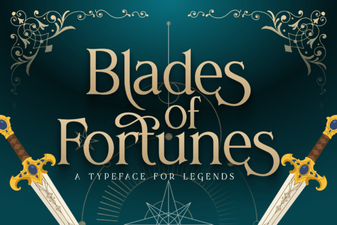 Blades of Fortunes Font: Bold Medieval Display Typography
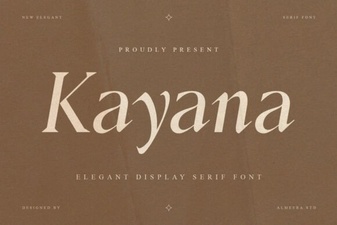 Explore Kayana Font: a Stylish Display Typeface for Creatives
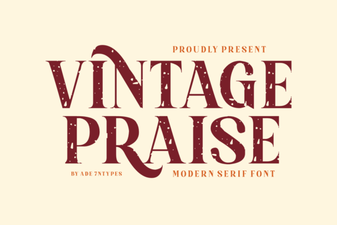 Vintage Praise Serif Font for Classic Elegant Designs
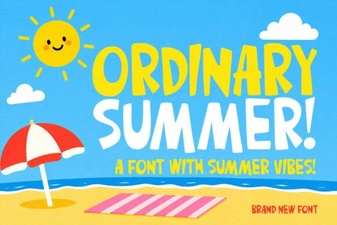 Ordinary Summer Font: a Laid-Back Typeface for Creative Projects
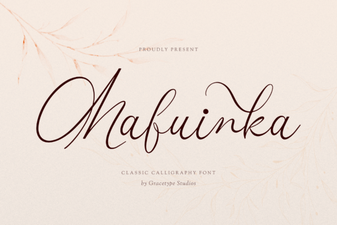 Mafuinka Font: Bold Creative Typography for Modern Design
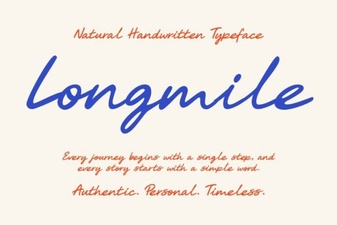 Longmile Font – Elegant Script Font for Creative Design Projects